Fender CEO Edward "Bud" Cole Facing Backlash After Comparing Cover Bands to "Analog AI"!
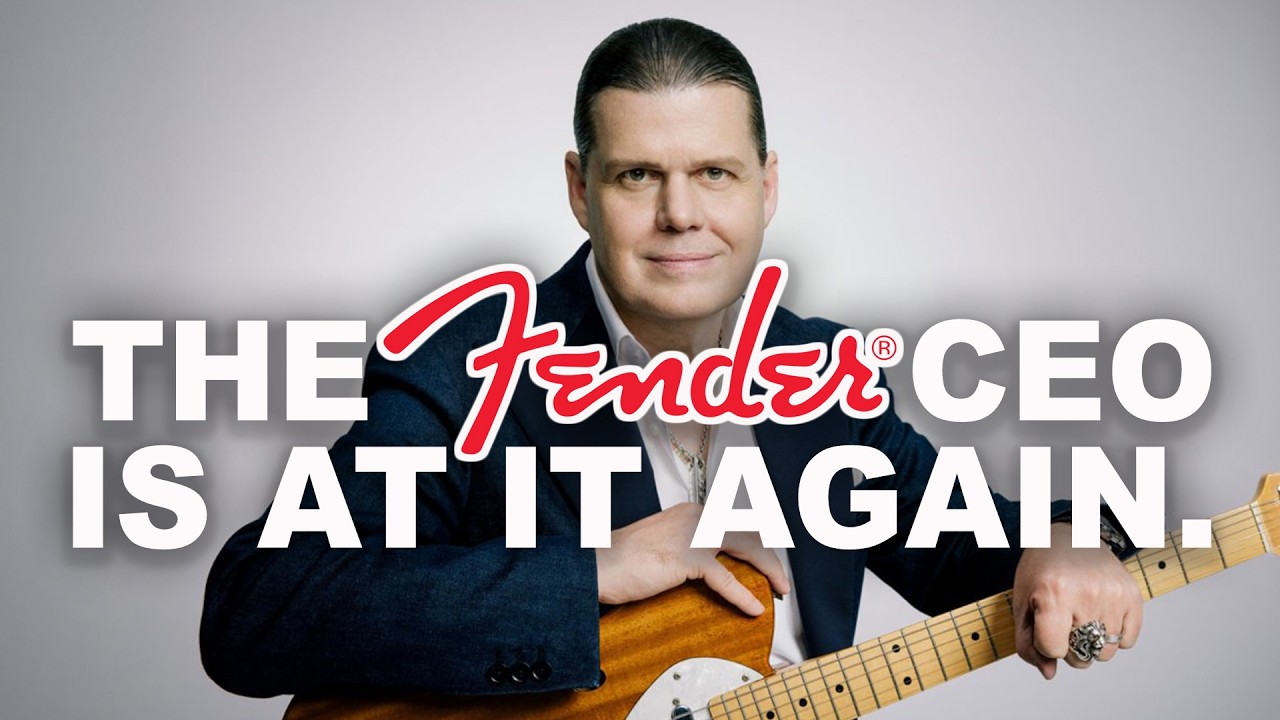
Fender Chief Executive Officer Edward 'Bud' Cole has sparked fierce debate across the music world following his recent statements on artificial intelligence. In an interview published by T3 in May, Cole drew a direct parallel between tribute acts and artificial intelligence, labelling cover music as "a sort of analog AI."
His remarks were made during a broader conversation regarding the role of modern technologies in music, where Cole advocated for adopting new digital tools within the guitar sector.
"When the Telecaster was originally launched, it proved to be polarizing," he noted. "There were players who instantly fell in love with it and adopted it, while others felt it looked like an oar from a rowboat or a basic wooden plank.
I believe AI has been part of music for as long as recorded audio has existed. In fact, I view cover music as having functioned as a form of analog AI for a very long time."
As he detailed, Cole considers AI to be a transformational stepping stone that is close to "liberating musicians to push past playing the same traditional covers."
However, his philosophy was met with heavy resistance from the guitar community, drawing sharp responses from major figures on the scene.
High-profile YouTuber Rhett Shull, who has previously addressed AI concerns, spoke out critically against Cole's perspective. Similarly, JHS Pedals founder Josh Scott highlighted the risks AI poses to the musical instrument industry. Content creator Samuraiguitarist also dedicated a YouTube breakdown to the controversy.
The drawbacks of AI technology are already well-documented. Beyond eroding artistic integrity and threatening creative jobs, it is increasingly exploited by bad actors within the guitar industry for deceptive practices.
Yet, it was Cole's specific comparison equating cover musicians with algorithms that triggered the strongest pushback from players.
As numerous guitarists pointed out, this view drastically oversimplifies the effort behind cover bands, disregarding the dedication required to master the guitar as an instrument and the essential human synergy of performing in a live ensemble.
Playing in cover bands serves as the foundational training ground for most performing musicians. It builds irreplaceable real-world experience: collaborating with bandmates, analyzing arrangements, mastering stage presence, sculpting live guitar tones, broadening genre versatility, and developing crucial interpersonal skills. These core milestones share no common ground with AI. Diminishing cover music to "analog AI" comes across as extremely out of touch.
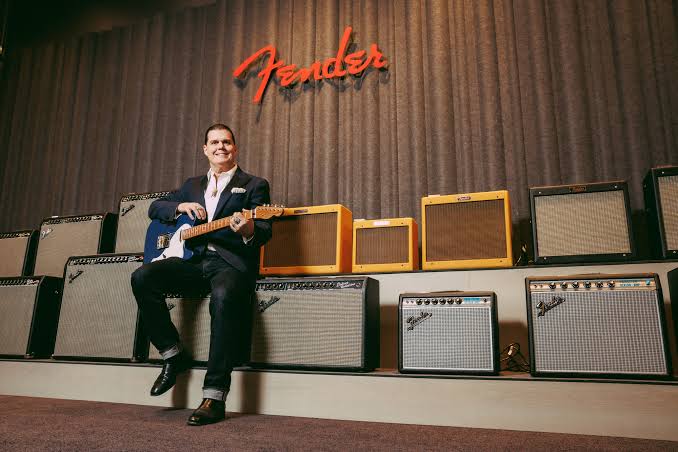
To be fair, Cole does point to areas where AI offers constructive utility for guitarists. Products like Positive Grid's Spark AI assist players in dialing in custom tones, alongside emerging AI learning tools. Cole referenced these technologies in his T3 interview, likely hinting at potential feature expansions for the Fender Play learning ecosystem.
"We need to proceed thoughtfully, but we should also explore how these tools can assist us," Cole stated. "I firmly believe AI will cultivate an entirely new generation of guitarists who leverage it to connect with fellow musicians and boost their creative output. It can help bridge the gap from beginner songwriting to true mastery. That is the ultimate goal."
Regardless of his broader vision, the phrasing of Cole's statements regarding cover bands has drawn significant backlash from guitar enthusiasts globally.
This marks the latest controversy surrounding Cole's leadership, following public outrage over Fender's aggressive legal actions to trademark the iconic Stratocaster body shape. Most recently, Fender initiated copyright litigation against major music retailer Thomann.