Fiery Chaos, the Montreal Riot, and the Wild Guns N' Roses & Metallica Tour
34 years ago, 1992, the Montreal Olympic Stadium (Canada) turned into the epicenter of one of the most incredible and destructive shows in the history of global stadium music. On that day, as part of the legendary joint Stadium Tour, two undisputed titans of heavy music — Guns N' Roses and Metallica — were scheduled to share the same stage.
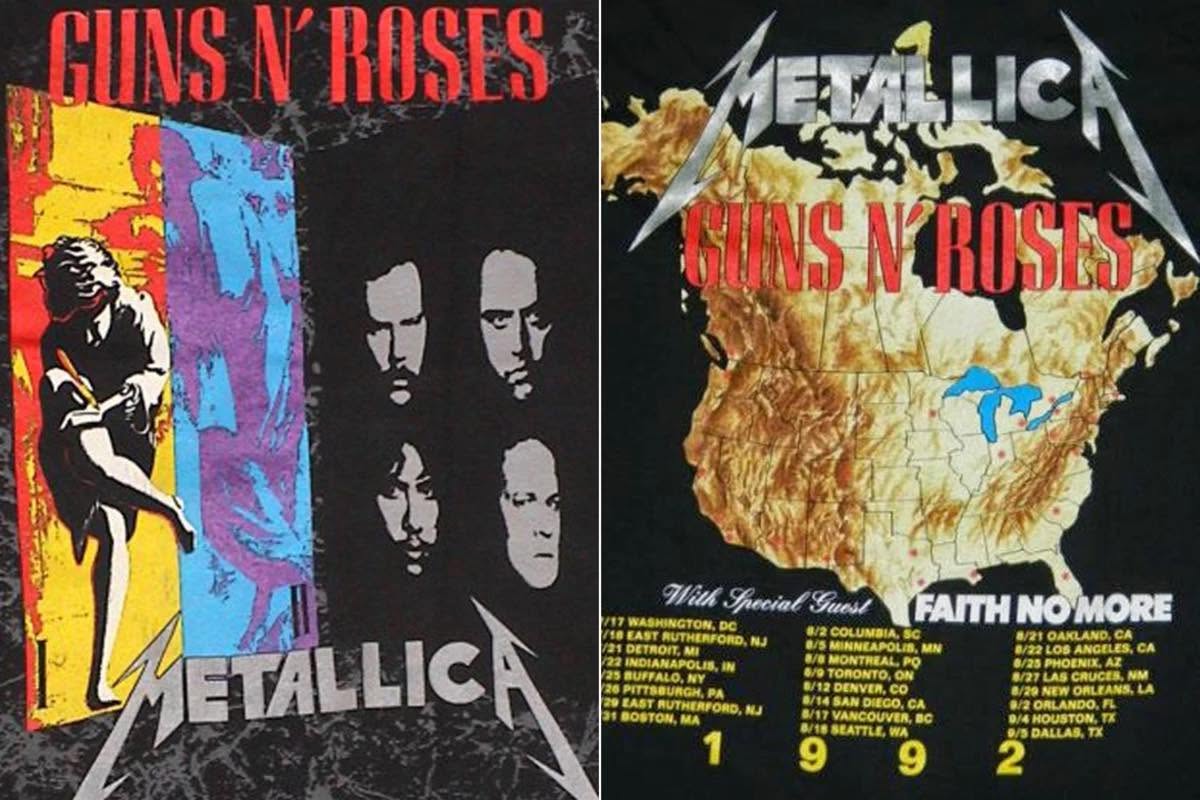
Both bands were at the absolute peak of their world fame and popularity: Metallica was conquering the planet with their triumphant The Black Album, while Guns N' Roses were making waves with their massive Use Your Illusion dilogy. The band Faith No More opened for the giants, and the stadium stands were packed to capacity with over 53,000 fans expecting to witness the greatest celebration of guitar music. However, that evening went down in rock history not for virtuous solos, but because of a chain of catastrophic events that turned the concert into an absolute nightmare.
Metallica took the massive stage first, setting an incredible level of tension. The band's performance was flawless, but six songs into the setlist, during the execution of the iconic track Fade to Black, a fatal mistake occurred. Due to a failure in the operation and coordination of heavy pyrotechnics, lead vocalist and rhythm guitarist James Hetfield accidentally found himself directly above a powerful explosion, stepping into the blast zone of a pyrotechnic flame column over three meters high. The frontman suffered severe second and third-degree burns to his arms, hands, face, and back. The musicians — Lars Ulrich, Kirk Hammett, and Jason Newsted — instantly stopped playing, honestly explained the tragedy of the situation to the shocked crowd, and James Hetfield was urgently hospitalized. The audience treated the cancellation of Metallica's set with complete understanding, uniting in anticipation of Guns N' Roses, who were expected to save the day.
However, a agonizing two-hour delay followed instead. The tense and muggy atmosphere of the stadium was fueled by alcohol while the spectators gradually lost their patience. When Guns N' Roses finally appeared on stage, the show went off the rails from the very first seconds. Frontman Axl Rose was extremely agitated, constantly complaining about sound monitoring issues and vocal strain. After performing only about nine songs and playing a brief 55 minutes, Axl Rose slammed his microphone onto the stage, made a sharp statement, and walked off to the dressing room for good. Guitarist Slash, bassist Duff McKagan, and the rest of the band were forced to follow him, and the house lights turned on over the stadium, signaling an abrupt end to the show.
The mounting disappointment and resentment of the 50,000-strong crowd instantly boiled over into pure rage. Fuelled by alcohol, fans began rioting inside the arena: burning merchandise, ripping out seats, smashing equipment, and destroying stage elements. Soon, the epicenter of the riot shifted to the streets of Montreal, where a crowd of several thousand people clashed with police, flipping and setting fire to cars, smashing storefronts, and tearing down lampposts. Total damage to the stadium and city property exceeded nearly $500,000, and SWAT teams had to deploy tear gas to suppress the riots.
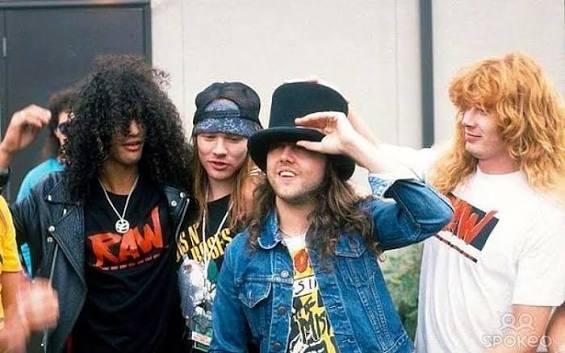
That night cemented Guns N' Roses' reputation as the most scandalous and unpredictable band on the planet, earning them a lifetime ban from performing at the Montreal Olympic Stadium. At the same time, Metallica demonstrated phenomenal professionalism: just a few weeks later, James Hetfield returned to the stage with a bandaged arm as a vocalist, with John Marshall from Metal Church filling in on guitar. Later, the band returned to Montreal with free and discounted concerts to make amends with their fans. The 1992 Montreal concert remains the most famous example of just how wild, dangerous, and uncontrollable real rock 'n' roll can be.