Guitar Aging vs. Relic'ing: Gibson's Mark Agnesi Explains the Difference
Unless a player possesses a collection comparable to Joe Bonamassa, acquiring an original vintage instrument such as a 1959 Les Paul remains largely unattainable for most musicians.
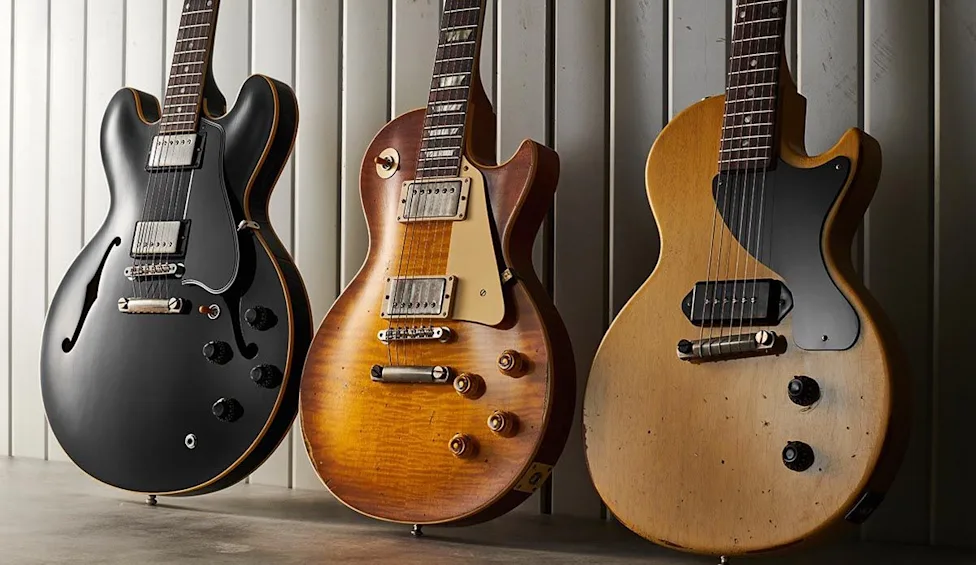
However, according to Gibson's Director of Brand Experience, Mark Agnesi, professionally aged instruments offer access to vintage specifications and playing feel without the extreme price tag of an original golden-era instrument.
"I still see a lot of back and forth in the comment section about — I hate the term — relic'd guitars, because we don't relic guitars," Mark Agnesi stated on the Inside The Noise podcast hosted by Guitar Center CEO Gabe Dalporto. "We age guitars, and we try to age them to specific levels matching real vintage examples. Even a mint guitar that sat in a case for 60 years will show natural lacquer checking."
While traditional relicing focuses on creating artificial surface wear, scratches, and dings to simulate heavy use, aging takes a comprehensive approach. It utilizes physical vintage reference instruments to recreate the complete experience of owning an original vintage piece, extending beyond purely visual modifications.
As Mark Agnesi explains, the goal is capturing the exact physical sensation of handling an original $700,000 1959 Les Paul:
"Almost no one can afford an original 1959 Les Paul. So what can you do to give the highest number of players that experience when they open the case? That is the core purpose of the Gibson Custom Shop, specifically the instruments produced by the Murphy Lab."
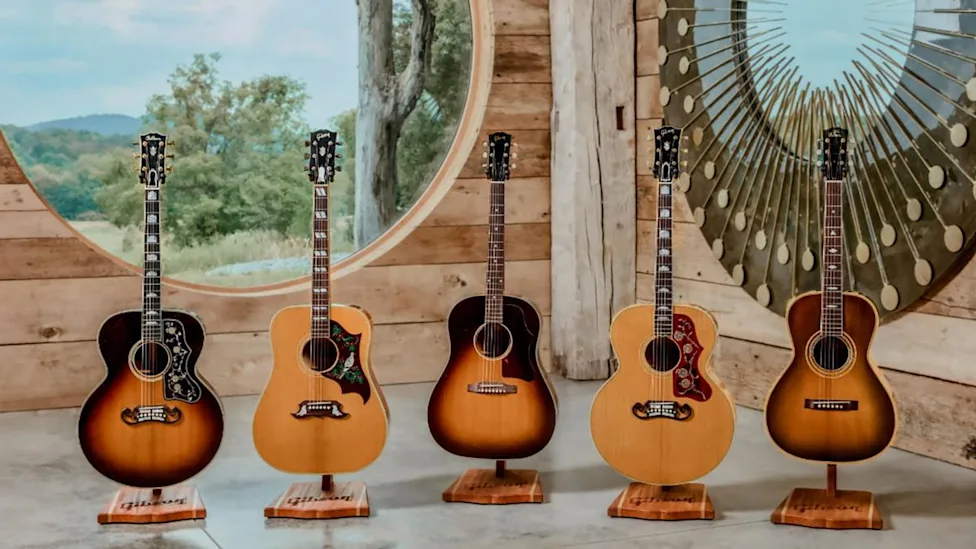
Formally introduced in 2019, the Gibson Murphy Lab utilizes proprietary aging techniques pioneered by Tom Murphy. The division focuses on aging each guitar to replicate the aesthetic and tactile qualities of golden-era originals.
Reflecting on his previous experience working at Norman's Rare Guitars in Los Angeles, Mark Agnesi highlighted how close modern production processes have come to matching vintage originals:
"People would constantly ask about the difference when buying vintage guitars. The traditional answer was that a reissue gave you 90%, and you paid the premium for that final 10%. After working there for a few years, that gap closed to 95%. That remaining 5% represents the unique character of an original era instrument."
With modern 3D scanning and manufacturing precision, Mark Agnesi notes that the performance gap continues to narrow every year:
"We are analyzing instruments down to minute details. Eventually, purchasing an original vintage guitar will primarily be about collecting a piece of history. While some purists value the specific aura of owning an original 1950s instrument, whether it is inherently a superior musical tool is for the individual player to decide. Personally, I am completely satisfied playing my Murphy Lab guitars."