Lenny Kravitz on recording albums, rare guitars and the vintage sound that changed his life
Traduzione automatica. Originale russo
How Lenny Kravitz found legendary guitars in parking lots and created an iconic sound: history, vintage and rock and roll
"People would come to the parking lot and ask to tell me that they had guitars for sale... One guy was waiting for trial and was in desperate need of money for a lawyer. That is how I bought my gold Les Paul" — Lenny Kravitz on recording albums and unexpected finds of legendary instruments.
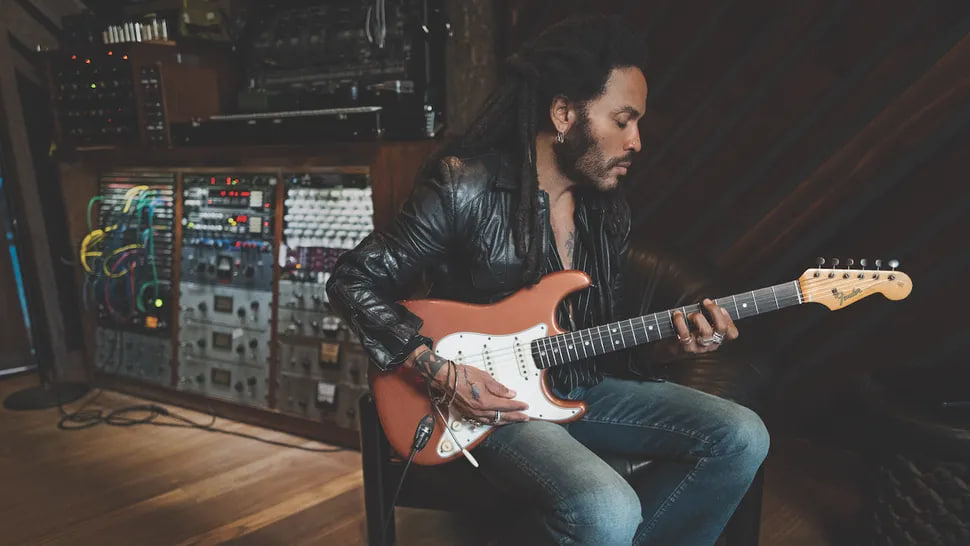
From his very first release Lenny Kravitz became a symbol of impeccable riffs, ideal guitar tone and a unique musical style in which rock, soul, funk and R&B are organically intertwined. Today, presenting his new explosive album, the musician pulls back the veil on the creative process and tells about his impressive collection of vintage guitars.
Since the release of the debut album Let Love Rule in 1989 Kravitz has consistently built his own musical world, not being afraid to mix genres and experiment with sound. His musical taste is impeccable and his knowledge of the classic music of past decades is truly encyclopedic. At the same time, he never copies idols, but uses their legacy as a foundation for creating his own unique style.
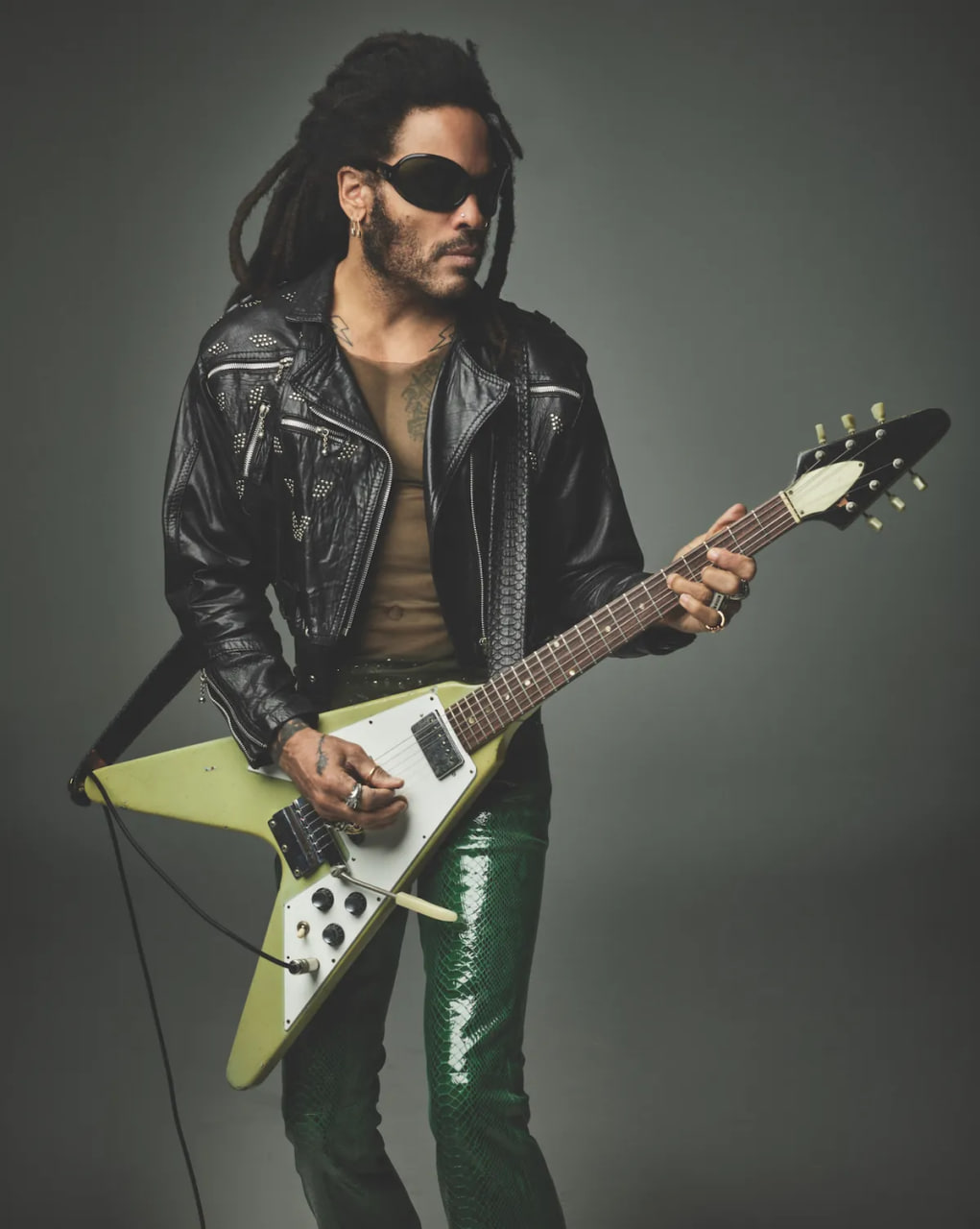
It is not surprising that Lenny is a real hunter for the perfect tone. He has been collecting vintage equipmentfor years, striving for absolute sound.
"I have been doing this since the beginning of my career. Already on the first album I was obsessed with finding the perfect sound. I compared modern and vintage equipment and old instruments always won. They have more warmth, depth and volume."
He kept this approach on the new album Blue Electric Light — the first full-length work since 2018 after Raise Vibration. On the record he worked again together with his long-time partner and guitarist Craig Ross.
"Craig is a guitarist who deserves special recognition. We have been together for more than 30 years and he can play absolutely everything. He has no boundaries."
The album was completed more than a year ago but Kravitz was not in a hurry with the release.
"We were waiting for the right moment for the tour and promo. For me there was no rush."
During this time the musician repeatedly remixed the album.
"I mixed it so many times that you would not believe it. Now I can say with confidence — everything is in its place. This is a new wave of energy and a new start."
🎸 Lenny Kravitz guitar arsenal
In his studio is a carefully selected collection:
-
vintage microphones
-
tube amplifiers
-
rare pedals
-
legendary guitars and basses
"All equipment undergoes serious selection. In the studio, the sound is viewed under a microscope."
His main studio amplifiers:
-
Tweed Fender Deluxe
-
Blackface Deluxe, modified by Howard Dumble
-
Gibson Skylark
Kravitz prefers small tube combos — they give a cleaner and tighter sound.
"I almost do not use pedals. Only equalizers and sometimes an effect for solos. Rhythm guitar should be as clean as possible."
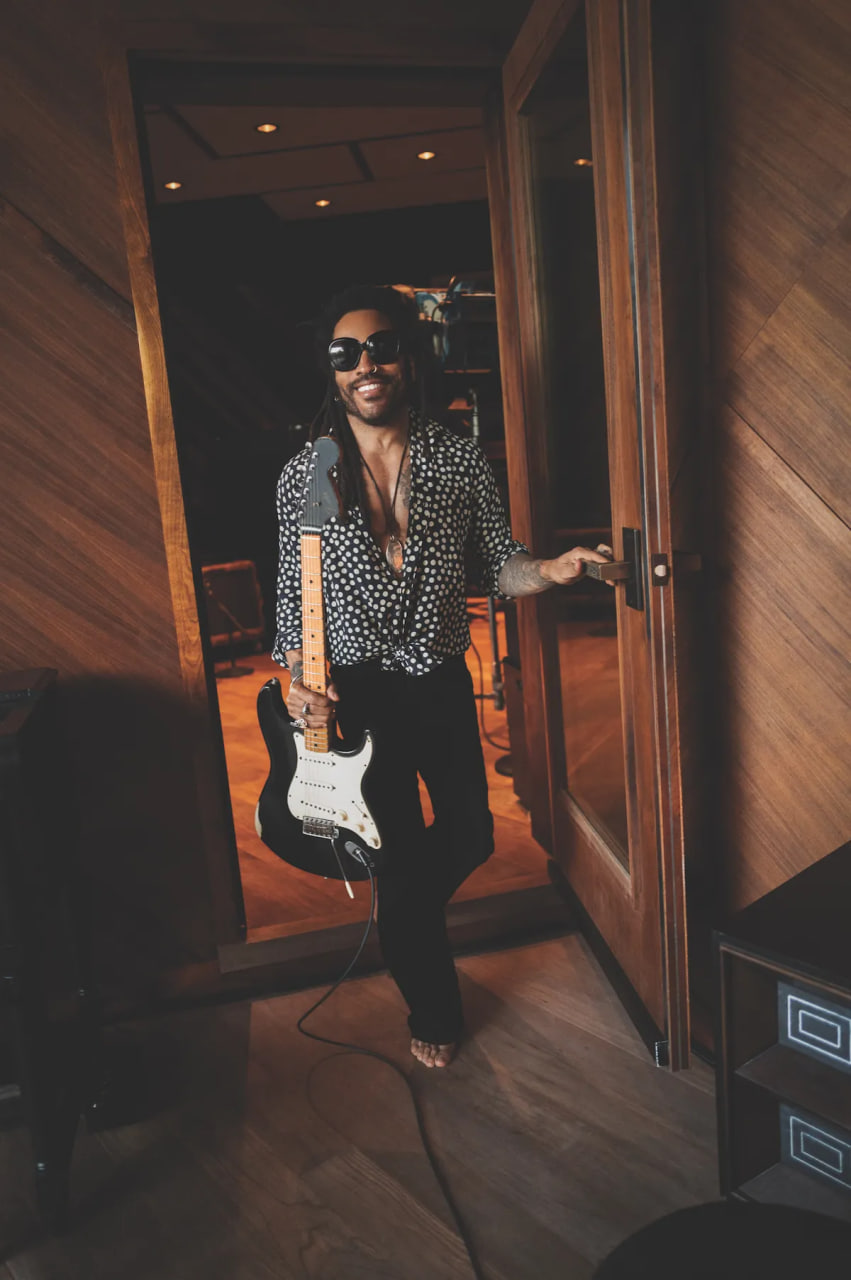
🎵 Favorite guitars for recording
The main instrument in the studio is a modified Les Paul Goldtop from 1953 with PAF pickups.
"This is the cleanest sounding guitar I have. I used it on Are You Gonna Go My Way and on all albums after."
Also in work:
-
Les Paul Standard 1959
-
Les Paul Custom 1959
-
several Stratocaster
-
Gibson J-200
-
Gibson Dove
-
Everly Brothers acoustics
🎼 On album recording
Recording happens in live takes:
"Craig and I often record on the first or second take. Then I overdub bass, keys and vocals."
The musician emphasizes that vintage is not only an instrument but also the ability to use it.
"The secret is not just in the equipment, but in understanding how to build the entire chain: from microphone to compressor."
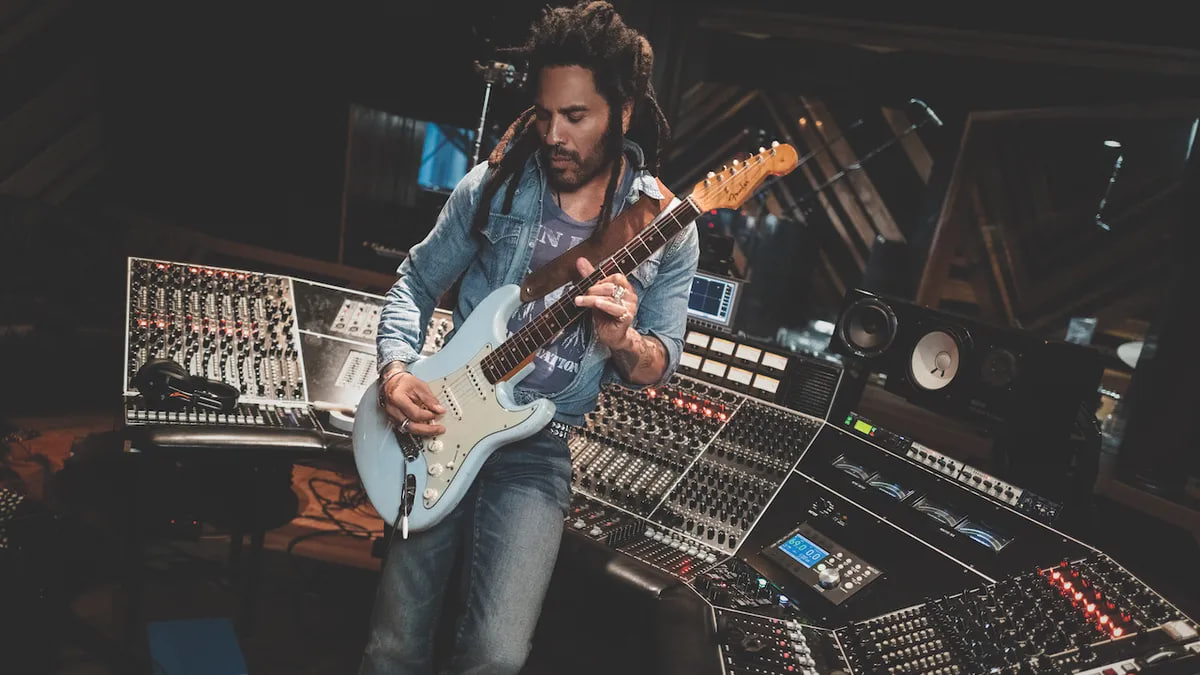
🎶 Inspiration and style
The guitar for him is a drawing tool.
"I am like painting a picture with a guitar. It is important to master all styles: funk, rock, reggae, country, jazz."
🎤 Sources of inspiration
In his youth Kravitz listened to:
-
Motown
-
Jimi Hendrix
-
Jimmy Page
-
The Beatles
-
Kenny Burrell
-
George Benson
-
Wes Montgomery
-
Kiss
-
Earth, Wind & Fire
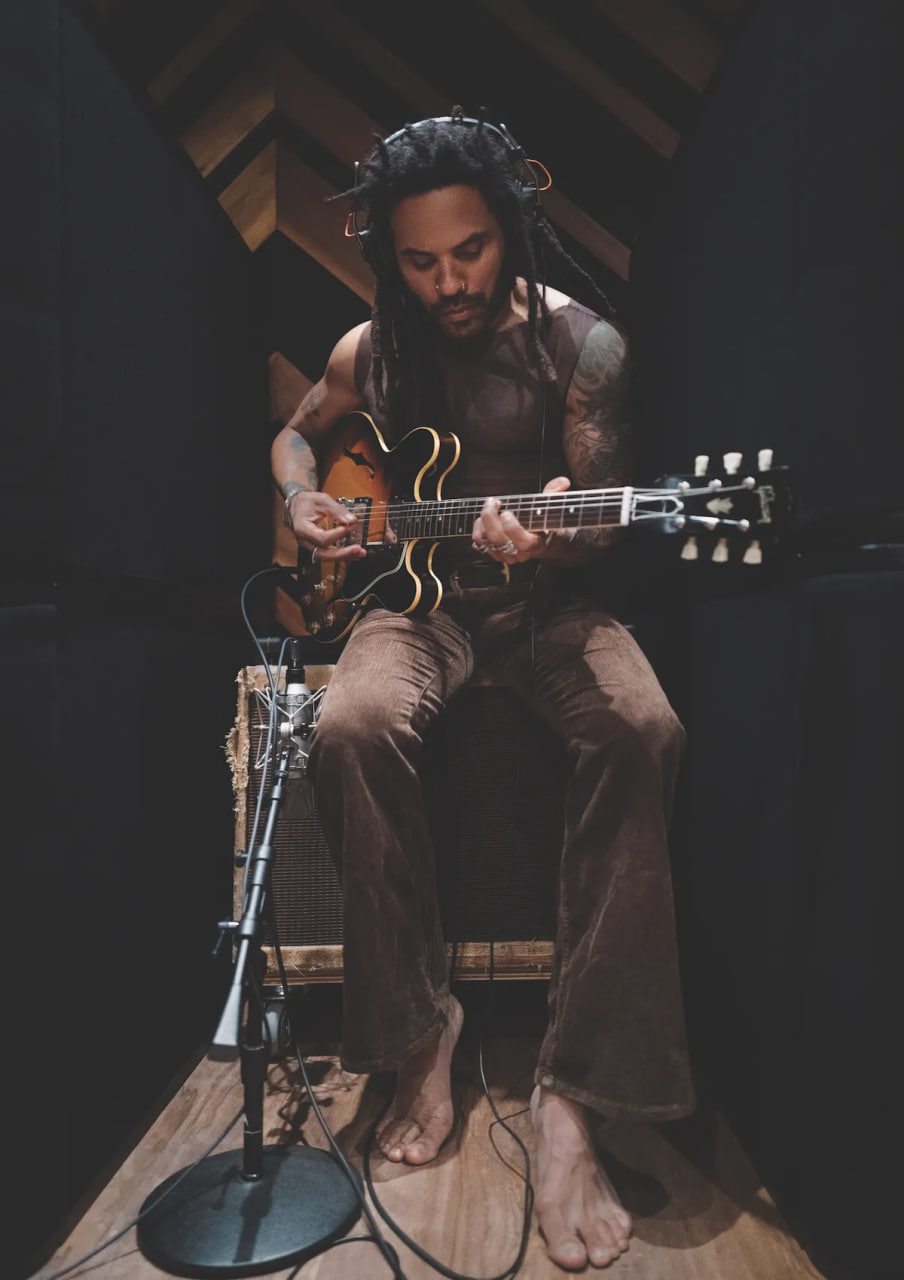
🎸 First guitar
His first guitar was a Yamaha with a piezo pickup.
"I dreamed of a Stratocaster from the Fendercatalog, but my father was afraid it would be too loud."
Later he bought a Fender Jazzmaster, and then — his first Les Paul Deluxe.
💰 First expensive purchases
After the contract he bought:
-
Epiphone Sorrento
-
Telecaster
-
Fender Bass
And during tours he began buying up vintage.
"People found me in parking lots and offered guitars. One guy was selling instruments to pay for a lawyer. That is how I bought my gold Les Paul».
The next album will be as simple as possible:
"Guitar, bass and drums. Pure rock and roll."
⭐ 6 most valuable Lenny Kravitz guitars
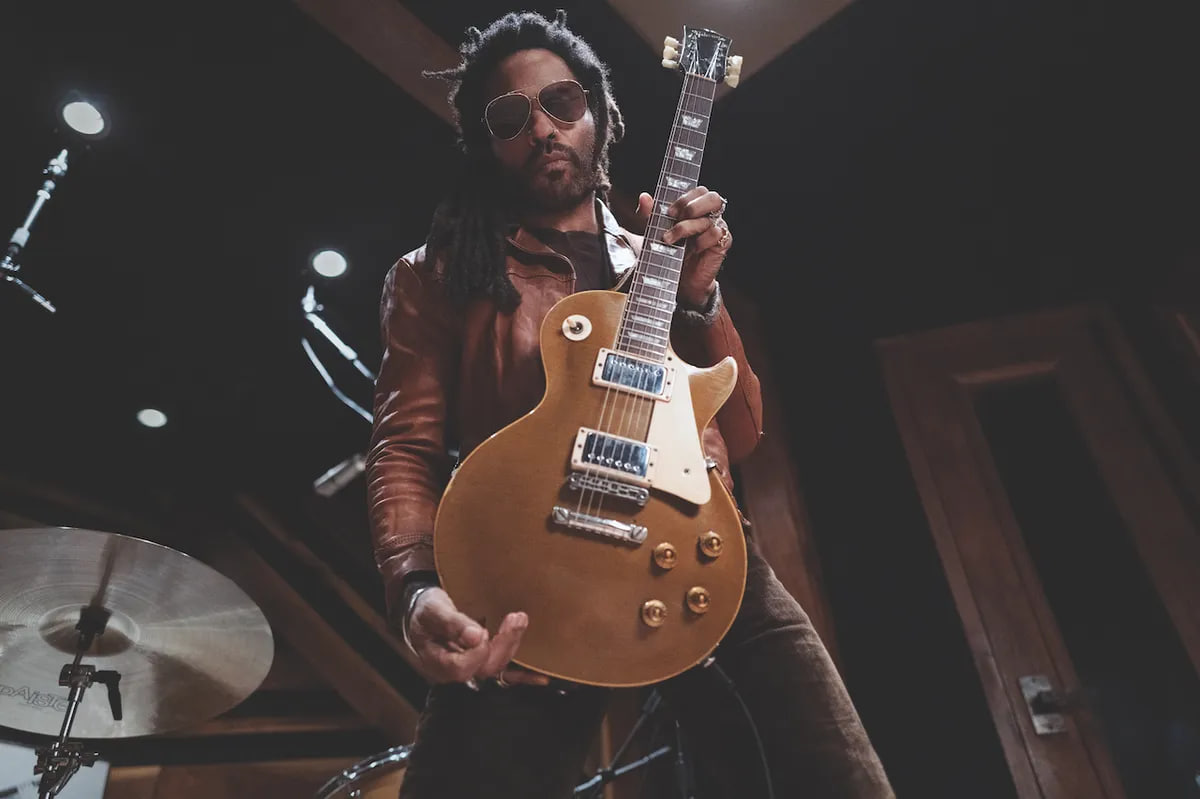
1. Gibson Les Paul Goldtop Conversion (1953)
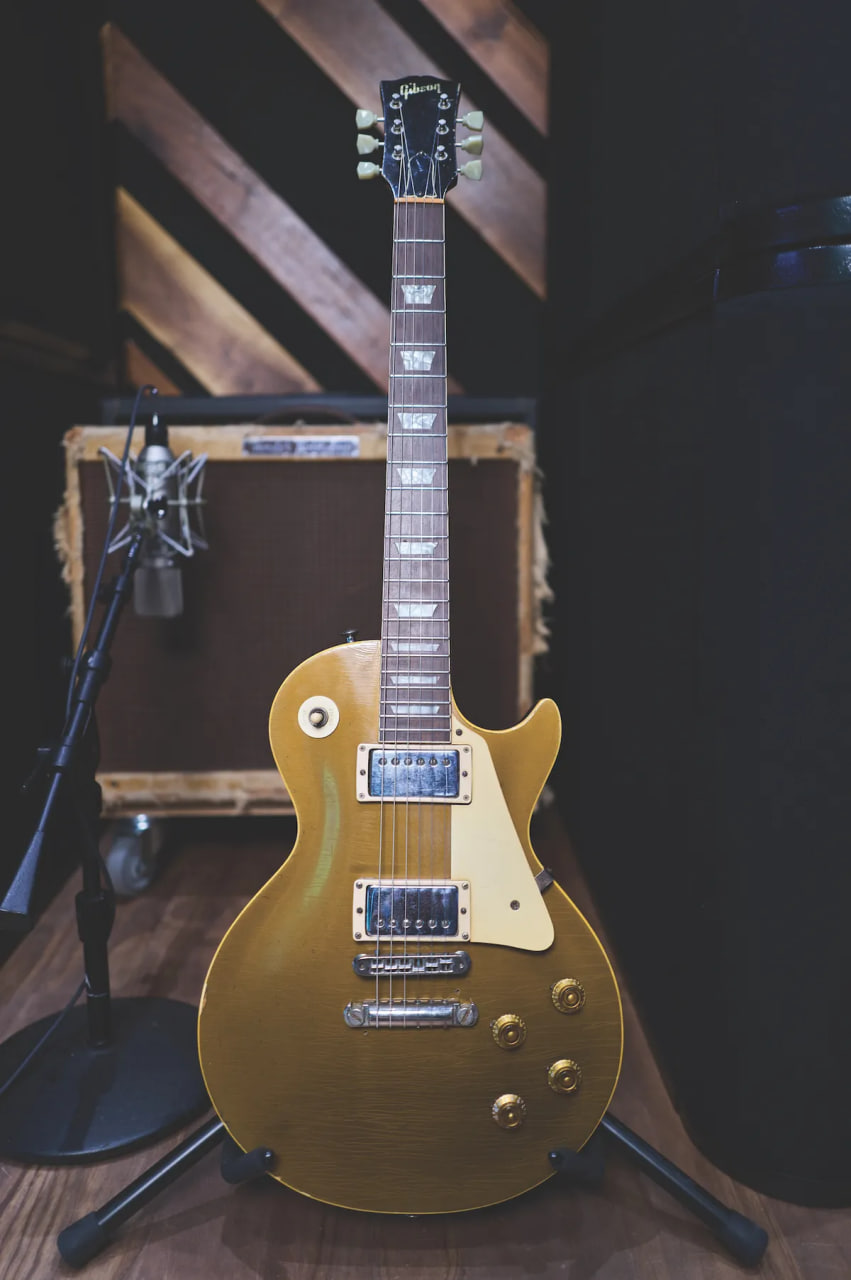
The main guitar of Lenny Kravitz — a modified Les Paul Goldtop made in 1953. He acquired this instrument around 1992 while on tour with Tom Petty and the Heartbreakers.
"I was told that there was a person in the parking lot selling guitars, — recalls Kravitz. — Unfortunately, he had serious legal problems and was in urgent need of money for a lawyer. I walked up to his car and I think I bought about five guitars then, including this one.
Since then, this guitar has become my main studio Les Paul. It has that signature “bite” of a Les Paul, and the overdrive sounds very smooth and soft across the range — from highs to mids and lows. It is a bit cleaner in character, the pickups are not too hot but perfectly balanced. This guitar sounds on every album of mine, starting with Are You Gonna Go My Way.»
2. Gibson Les Paul Custom (1959)
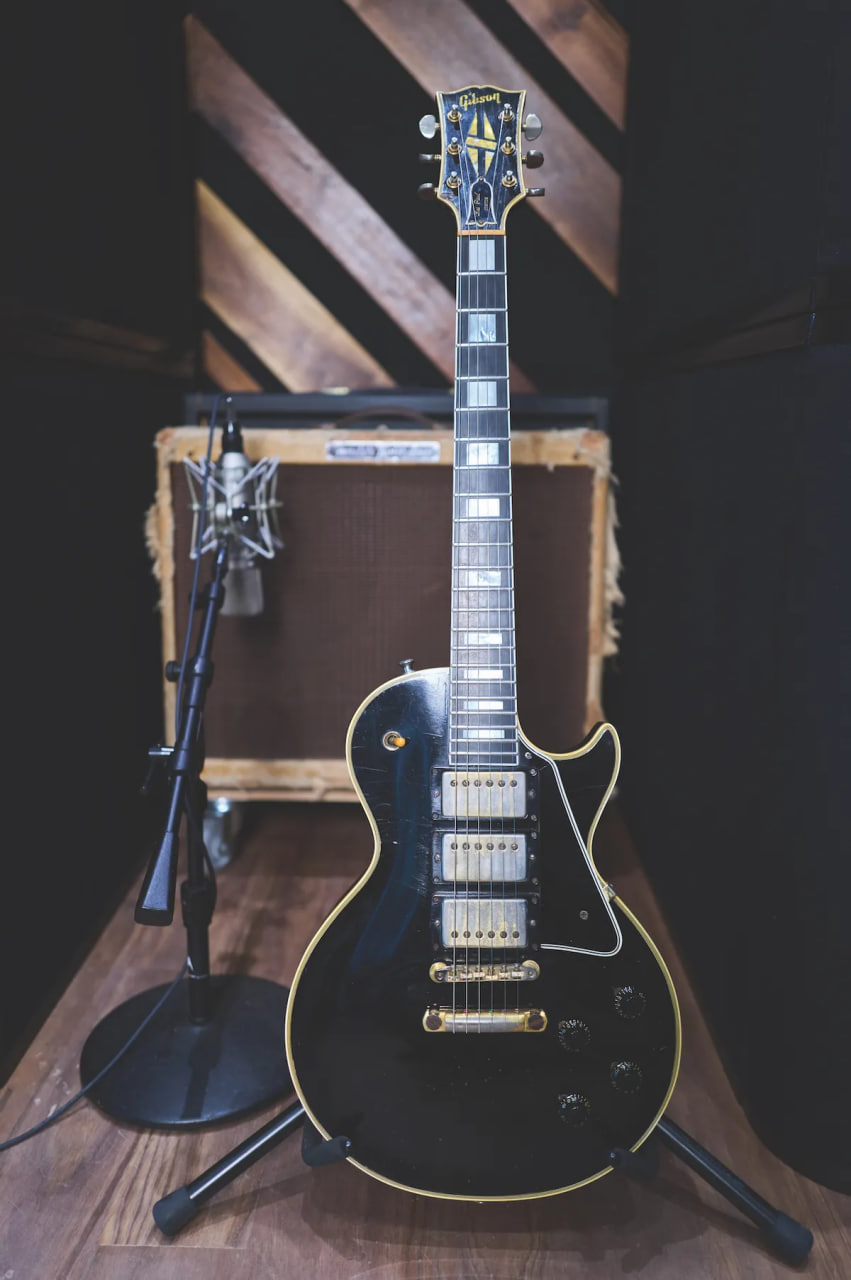
"I acquired this guitar around the time of Are You Gonna Go My Way or, perhaps, Circus. This is a truly fantastic instrument."
When there are so many outstanding pieces in the collection, how does Kravitz choose which Les Paul to use for a specific track?
"Before recording, I always have an idea of the character of the sound I am looking for and what tone the part should have.
I have used this guitar on many recordings over the years, including the new album. I cannot recall every song, but I know for sure that it sounds on almost all records since the moment of purchase — whether it is rhythm, solo, or both."
3. Gibson Les Paul Standard “Plain-Top” (1959)
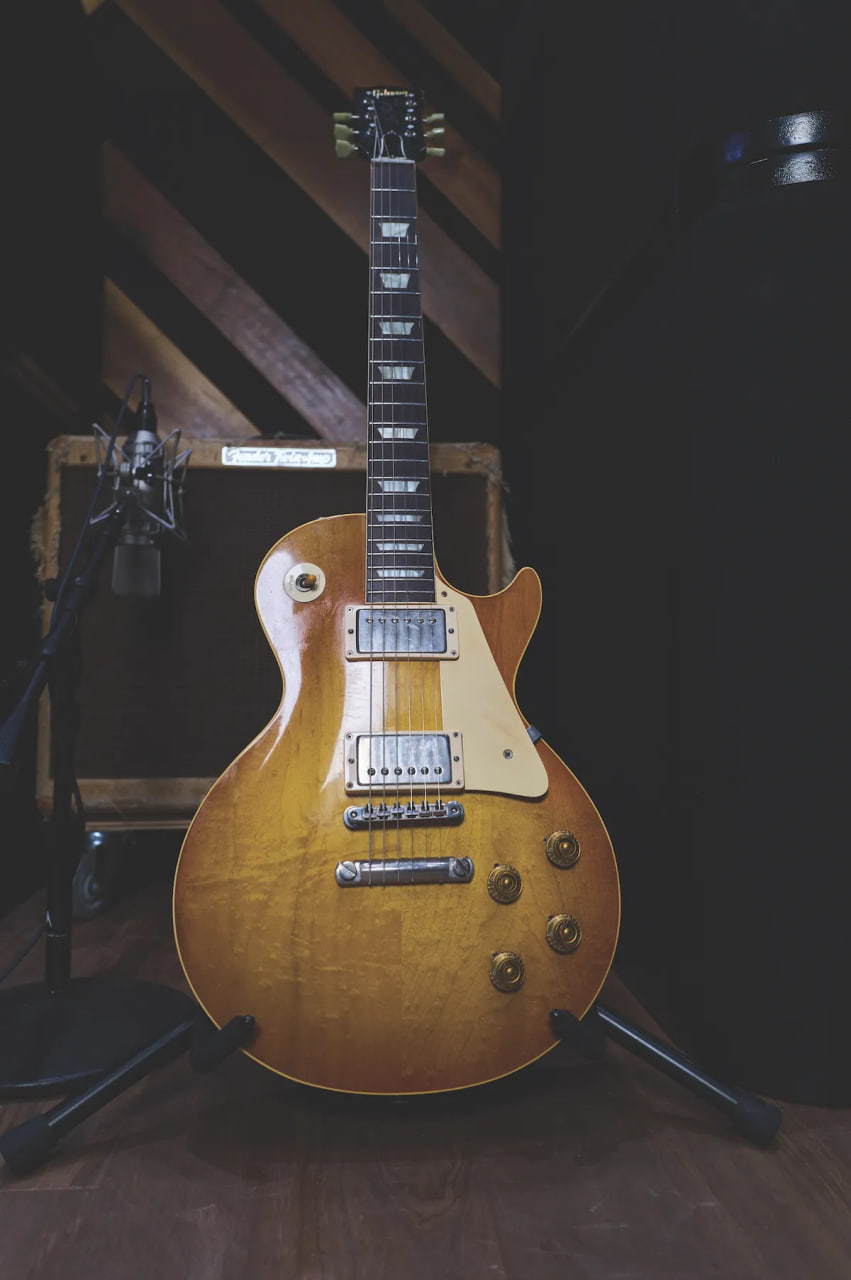
"I have nothing against “flame” tops, but I like plain-top even more, — says Kravitz. — There is something special about them, especially if there is a beautiful wood pattern. I consider them incredibly elegant."
He acquired this guitar a few years ago, perhaps during the last tour.
"A friend of mine, a guitar dealer, was at a trade show in Texas and knew that I was looking for a perfect 1959 specimen — completely original, with no refretting, as if it were made yesterday. I was at soundcheck when he sent my guitar tech a picture of this guitar and I immediately fell in love.
I had to make a decision instantly. I asked a million questions: how it plays, what is the neck profile, what is the weight... In the end, he convinced me, and I bought it. It has an amazing tone, so the purchase turned out to be more than successful.
This new album is the first one on which I used it. It sounds in the song Love Is My Religion. I recorded both rhythm and solo on it — a harmonic solo that we played together with Craig."
4. Gibson ES-335 Bourbon Burst (1961)
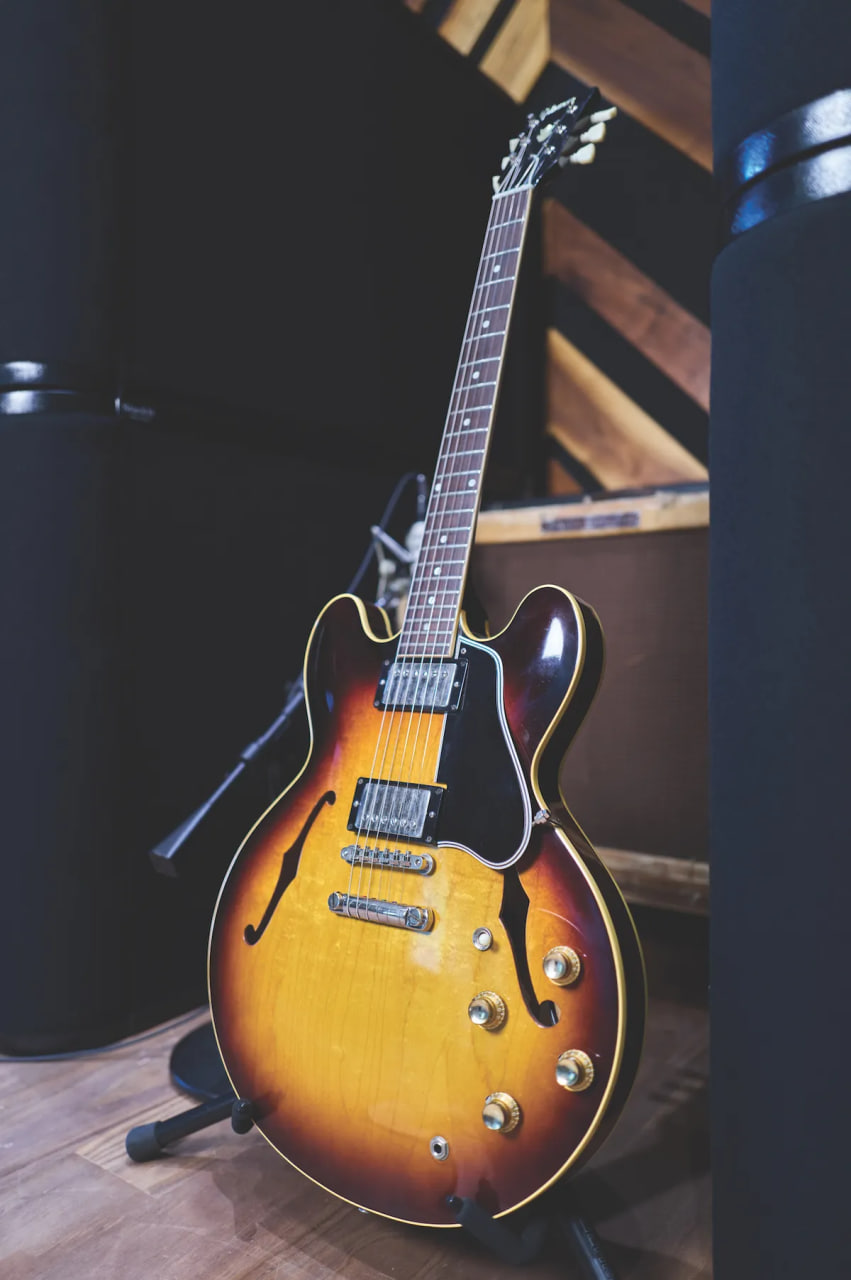
Kravitz decided to buy this ES-335 under the influence of his favorite guitarist Al McKay, who played a 1972 model.
"I am a big fan of Earth, Wind & Fire, — explains Lenny. — Al McKay is one of my favorite guitarists because his rhythm guitar work is just incredible. I learned a lot listening to his parts.
I already had a 335 before, but I wanted to find a really clean specimen. I bought this guitar in Nashville during the last tour. There were two guitars there: one was slightly worn but very beautiful, and this one — in practically perfect condition.
I played them for about two hours, switching from one to the other and trying to decide which one to take. In the end, I was won over by the tone of this one — it was very even and balanced. I use it on songs Blue Electric Light e Spirit in My Heart.»
5. Gibson J-250 Brazilian (1967)
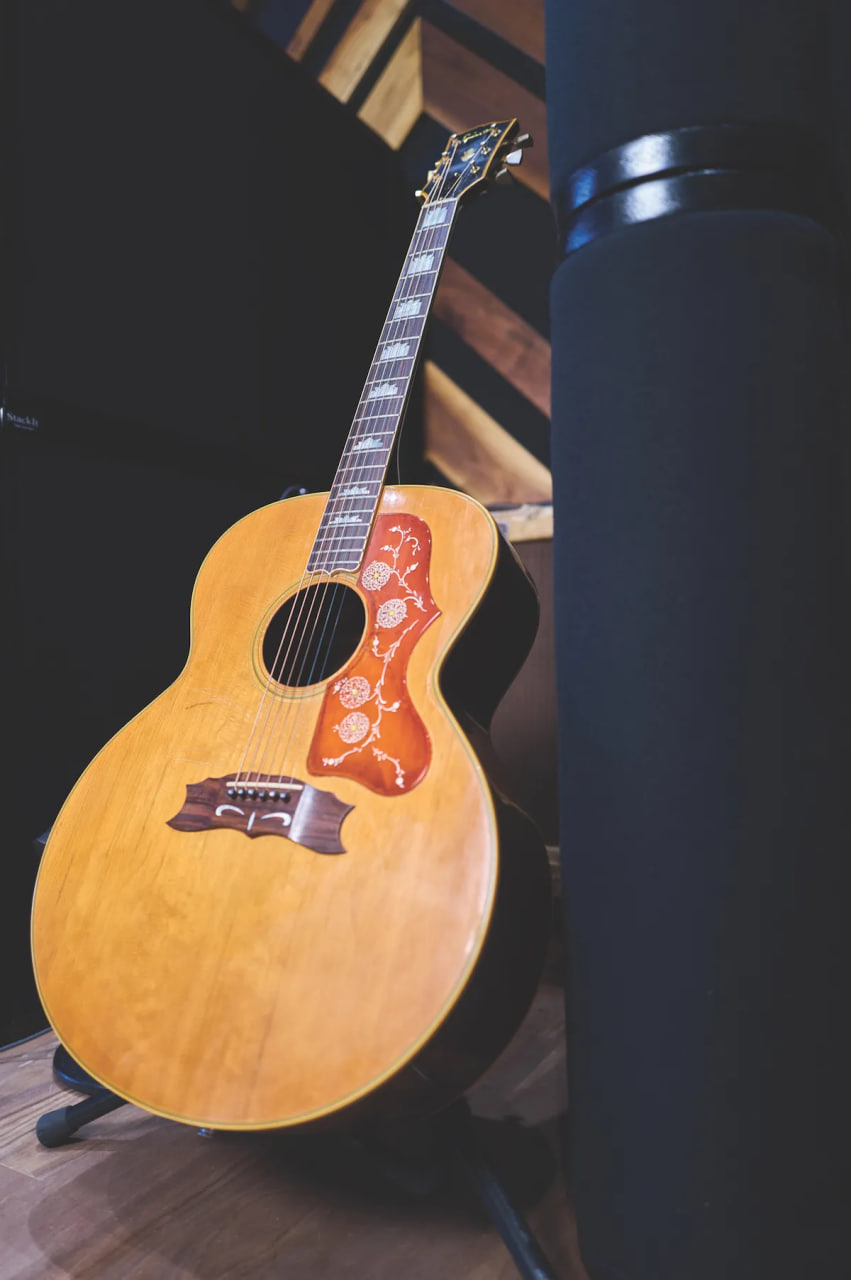
«Nella mia collezione acustica c'è questa Gibson, due chitarre Everly Brothers di Gibson, che uso da molti anni, e una Martin», racconta Kravitz. «È il mio arsenale acustico principale per lo studio.
Ho questa chitarra da così tanto tempo che non ricordo nemmeno più dove l'ho comprata esattamente. Ha un suono bellissimo e corposo, ed è presente in diversi miei album».
6. Gibson Les Paul Standard Walnut (1968)
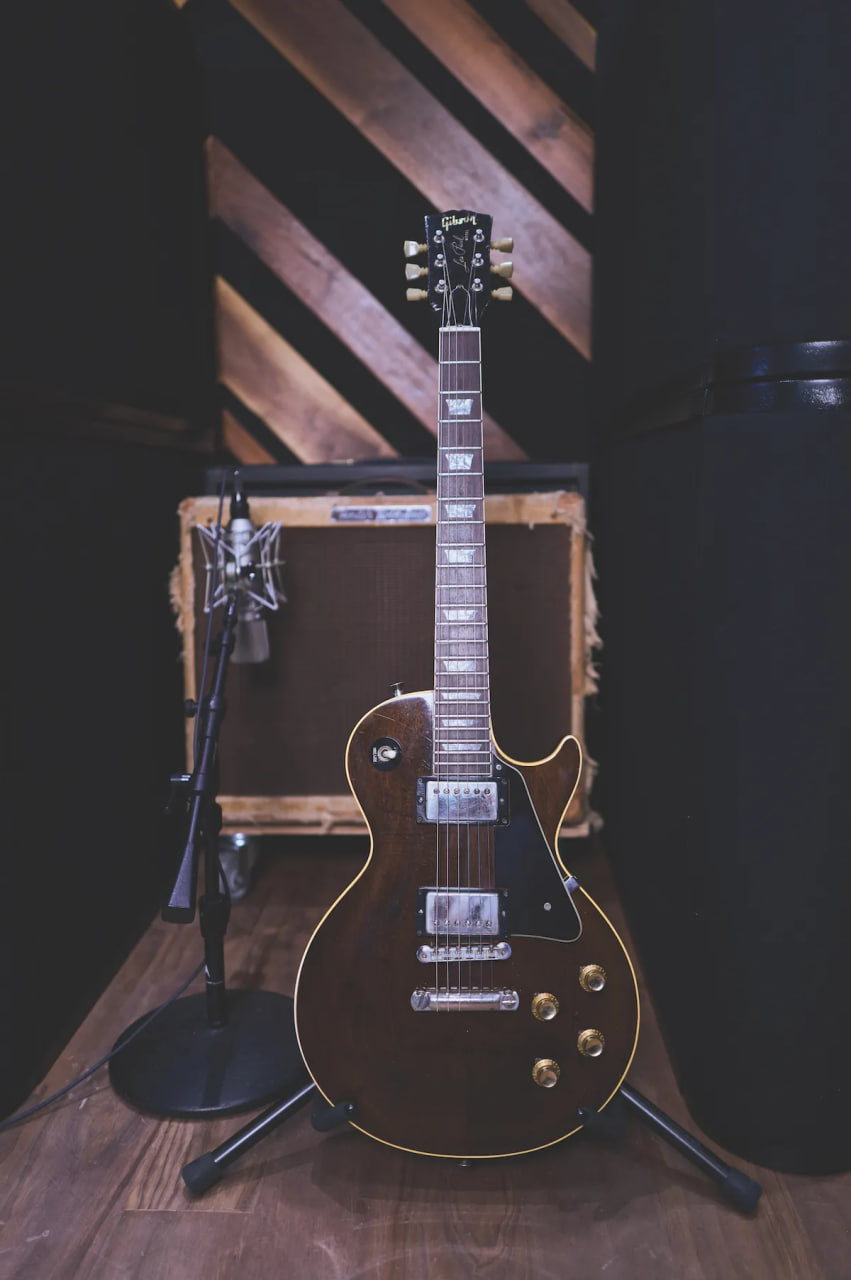
Questo magnifico esemplare fu ordinato dal negozio Manny’s Music e assemblato dalla Gibson con componenti originali del 1959.
«L'ho avuta dal mio vecchio amico Rudy Pensa di Rudy’s Music SoHo», dice Lenny. «Lo conosco fin da quando ero bambino, dai tempi in cui vivevo a New York.
Allora giravo per le strade e cercavo di capire cosa volessi fare nella vita. Passavo spesso dal negozio di Rudy sulla 48esima strada e lui mi lasciava suonare le chitarre.
Ovviamente allora non avevo nemmeno un dollaro, quindi ci conosciamo da molto tempo».
Finora questa chitarra non è apparsa in nessun album, ma Kravitz è convinto che il suo momento arriverà sicuramente.
«Mi piace semplicemente il suo aspetto e, forse, è la Les Paul dal suono più pulito della mia collezione. È appesa alla parete e aspetta il suo momento».
Questa non è solo una storia di chitarre.
È una storia dell'anima del rock 'n' roll.